A non-profit that turns rigorous evidence into practical solutions for rural households in Bangladesh.
Six areas where rigorous study can change rural lives.
SARCH brings researchers together to study the problems facing rural households — and to put that evidence to work.
Based in Rajshahi, our name states our purpose: to ameliorate, or improve, the lives of rural communities and households. Rural areas are too often underserved and overlooked, facing challenges that rarely reach the evidence base or the policy table.
We conduct both quantitative and qualitative research with a global network of collaborators, and we hold ourselves to one standard: work that is rigorous, useful, and grounded in the communities it serves.
Each area addresses a pressing problem in rural Bangladesh, studied with care and reported with honesty.
Documenting the experiences and barriers facing minority communities, and bringing their voices into the evidence.
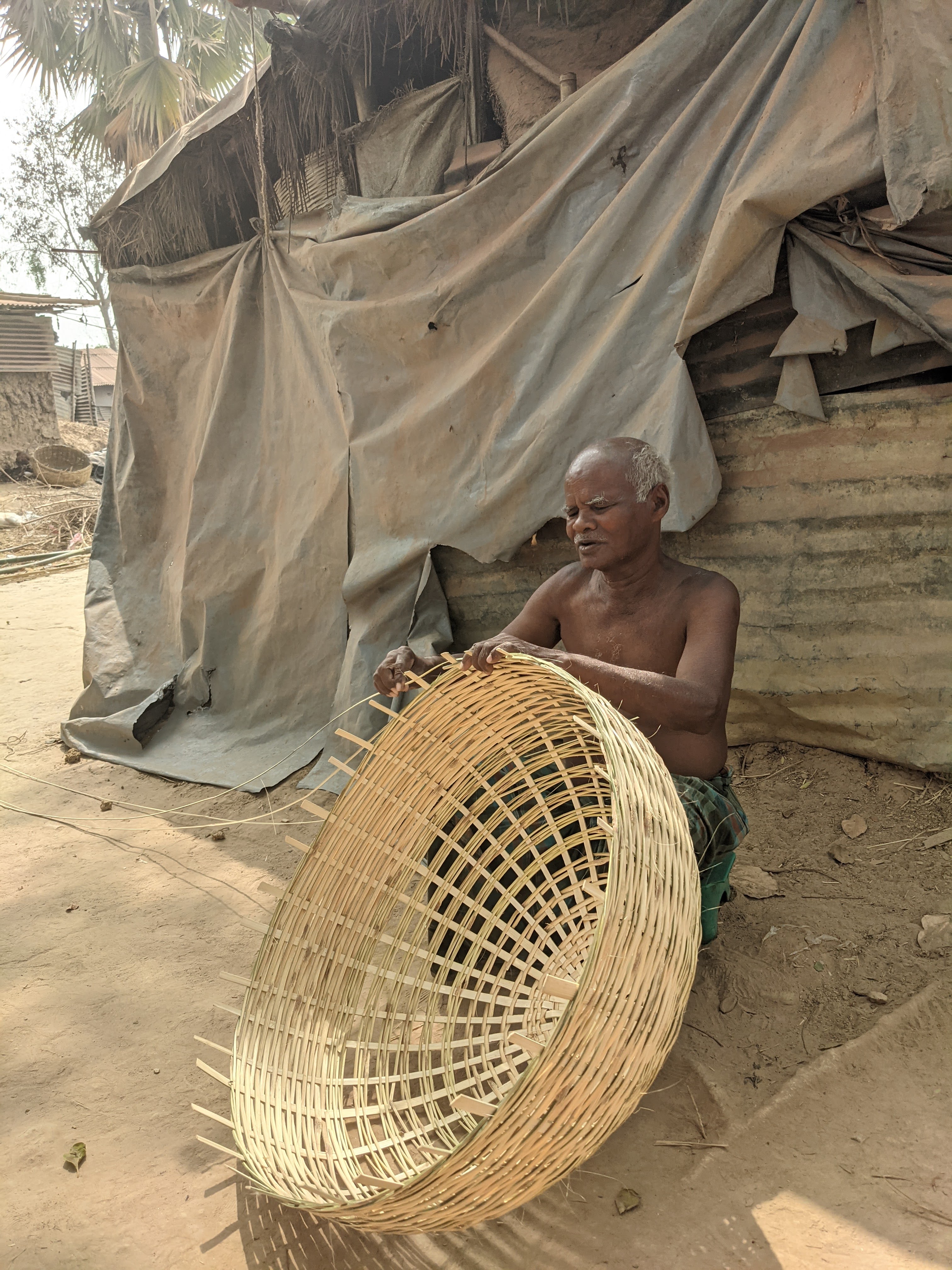
Strengthening women's economic standing through handicraft projects — skills training and better access to markets for what they make.
Supporting parents and encouraging healthier behaviour within the household through a child's earliest, most formative years.
Raising the quality of local schooling and improving the quality of access to healthcare — the twin foundations of rural progress.
Building the resilience of livelihoods exposed to floods, drought, and a changing climate.
The thread running through all our work: helping rural communities not only survive, but thrive.
Whether you bring funding, expertise, or a shared commitment to rural development, there is a place for you at SARCH.
Partner with us on projects, share expertise, and combine resources to widen the impact of our collective work.
Researchers, educators, and community organisers — contribute your skills to fieldwork and analysis on the ground.
Funding lets us run impactful studies and sustainable projects. Every contribution reaches rural households directly.
Follow our research findings and progress on LinkedIn and through our updates.
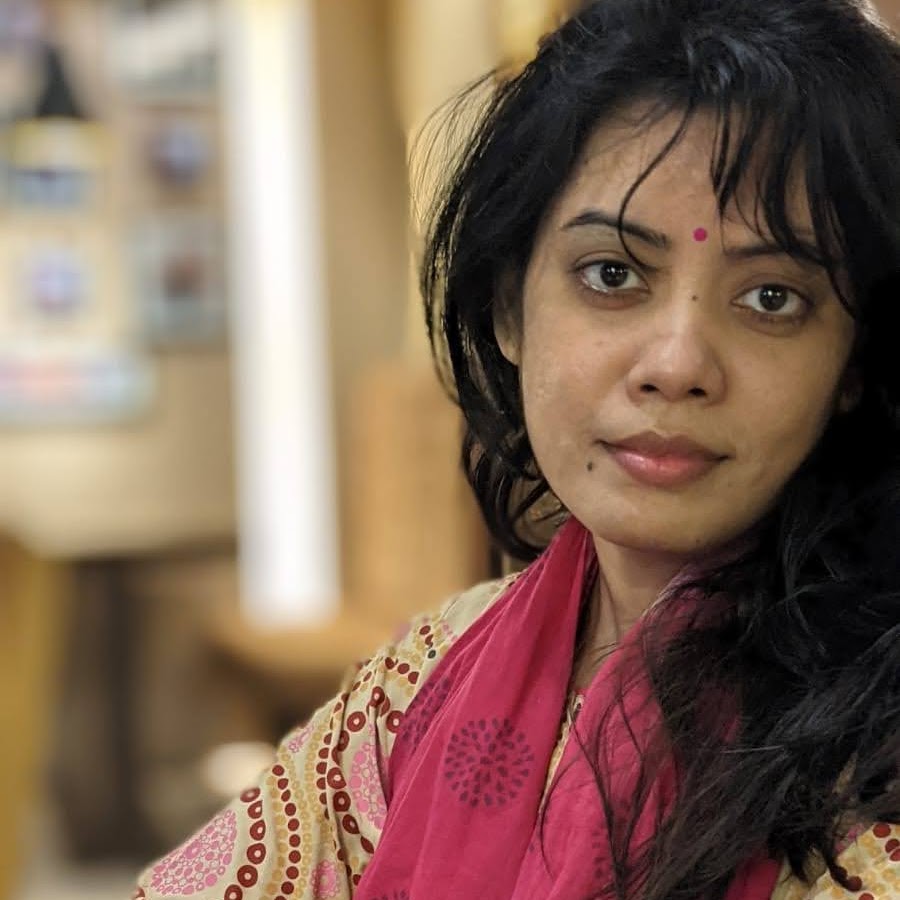
Makshuda Rahman previously worked as a researcher at both BRAC and ICDDR,B. She was also a member of the Pencil Foundation, where she and seven other members led the ‘Pencil Sapling Plantation Program’ in Rajshahi in 2020.
She is currently President of the Saleha Foundation, an unregistered, voluntary, non-profit charitable organisation based in Kurigram, Bangladesh. She is also the administrator of the Anthropology Charity Club (University of Rajshahi), an online-based voluntary organisation that carries out philanthropic and charitable work across Bangladesh and awards the ‘Raasheed Mahmood Memorial Scholarship’ to poor, meritorious, and deserving Bangladeshi students.
A published short-story writer, her work has appeared in both domestic and international magazines. She now serves as an educator working with parents and young children in the early childhood education programme HIPPY Australia, funded by the Australian Government through the Department of Social Services.
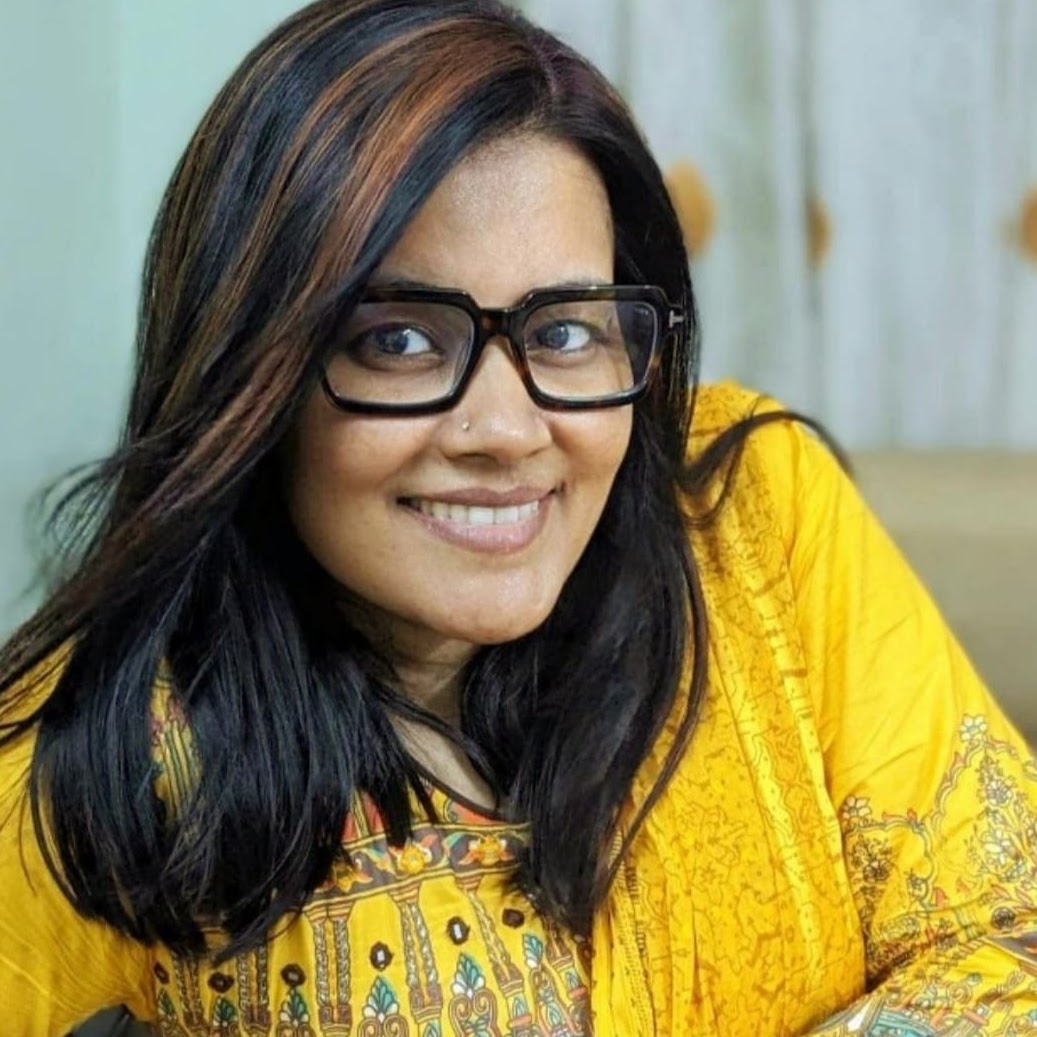
Nasrin Akter Mila is a young entrepreneur who previously ran a voluntary project in Rajshahi, in partnership with The Magnets — an export–import firm based in the district — to empower rural women through a sewing training programme. The programme trained many unemployed rural women to help them earn a living and meet the cost of their children’s education.
She is currently Managing Partner of The Magnets, and a Director of the Bangladesh Handicraft Manufacturers and Exporters Association (BANGLACRAFT).
She is an active member of several national and international bodies, including the Rajshahi Chamber of Commerce and Industries, the Jute Diversification Promotion Centre (JDPC), WEConnect International, and ITC SheTrades Commonwealth. She was recently recognised by WEConnect International for her work as a young female entrepreneur.
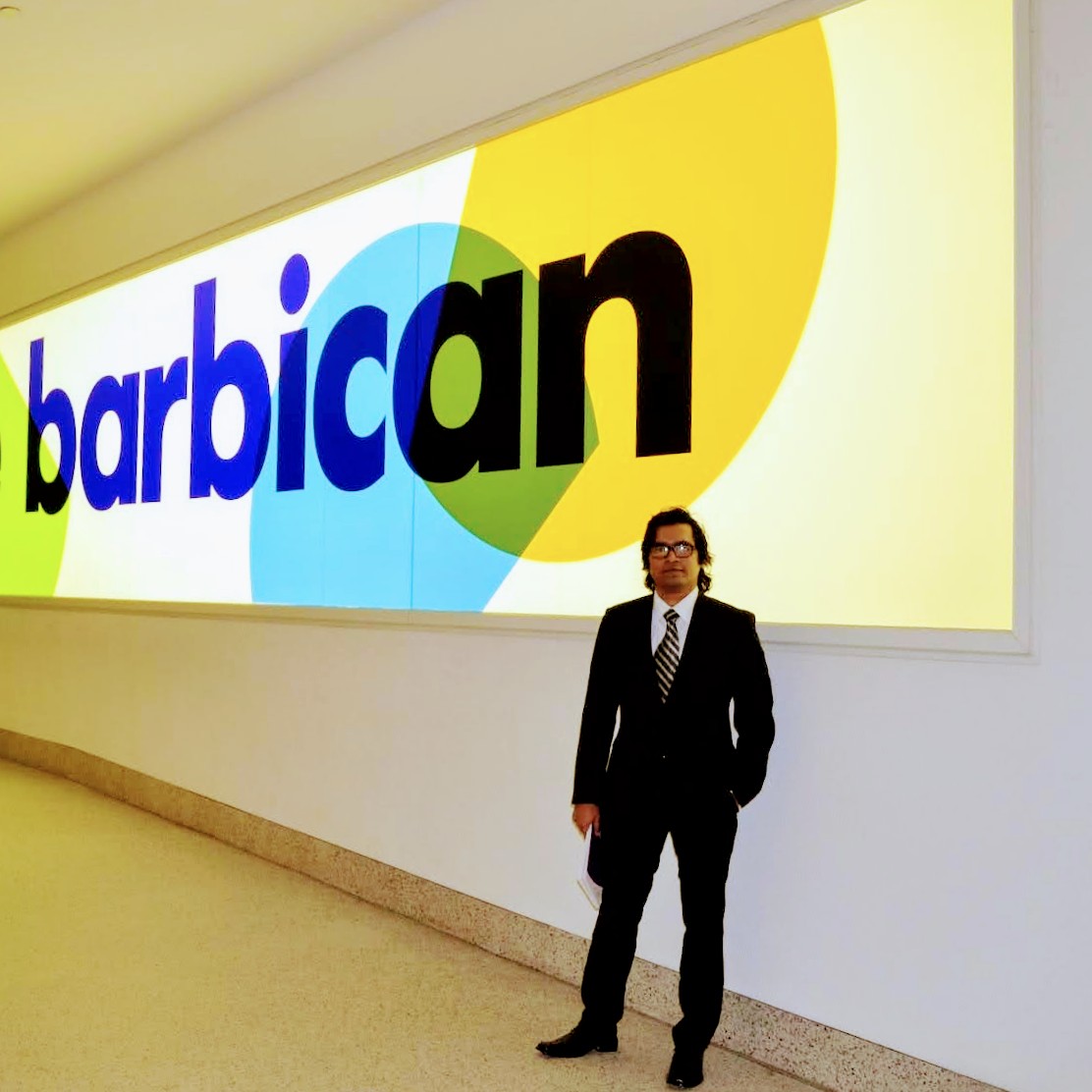
Md. Imamunur Rahman is an Assistant Professor of Law and the Proctor at Z. H. Sikder University of Science and Technology, Shariatpur, Bangladesh, and an Advocate of the Rajshahi District Court, Bangladesh.
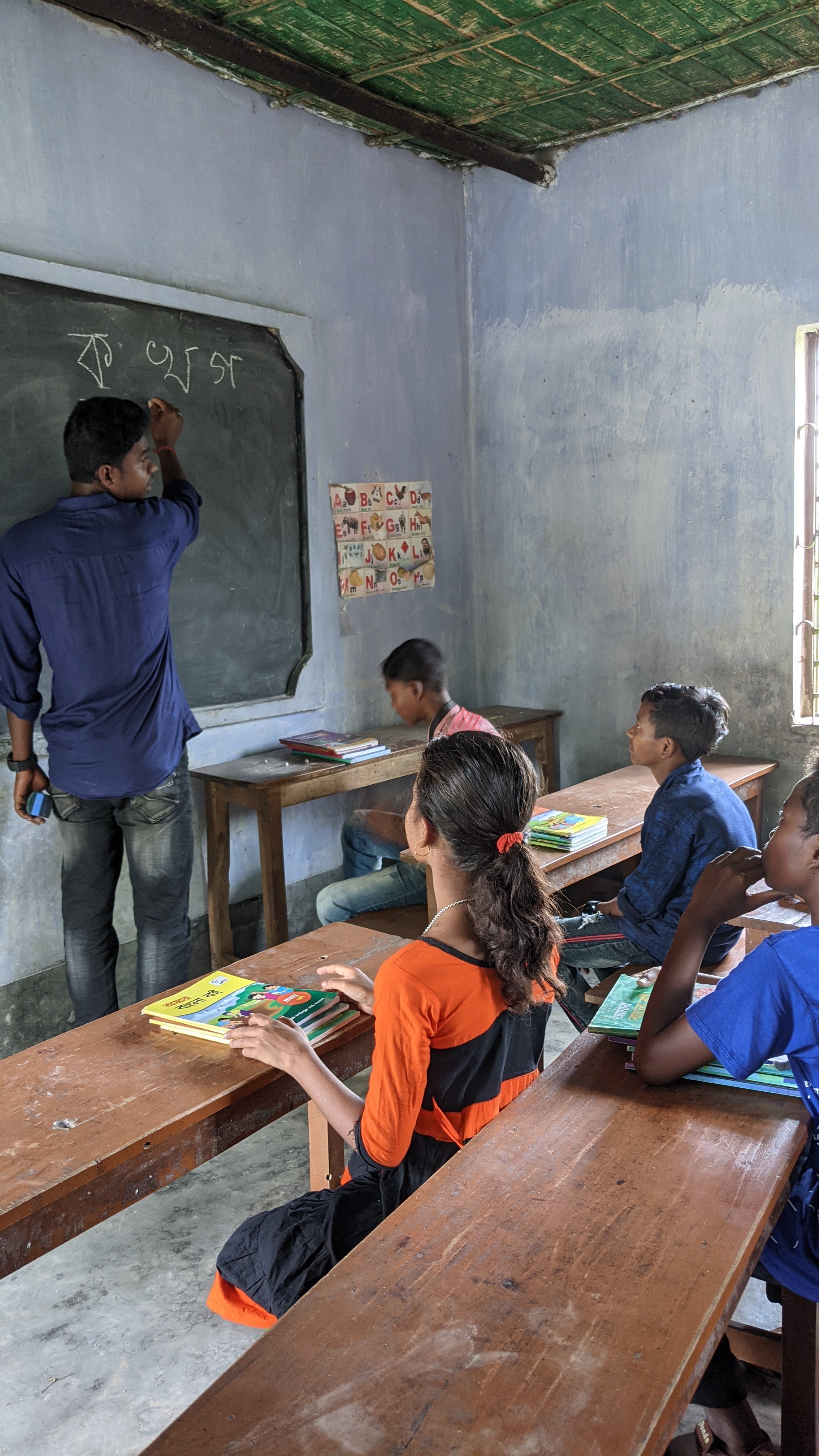
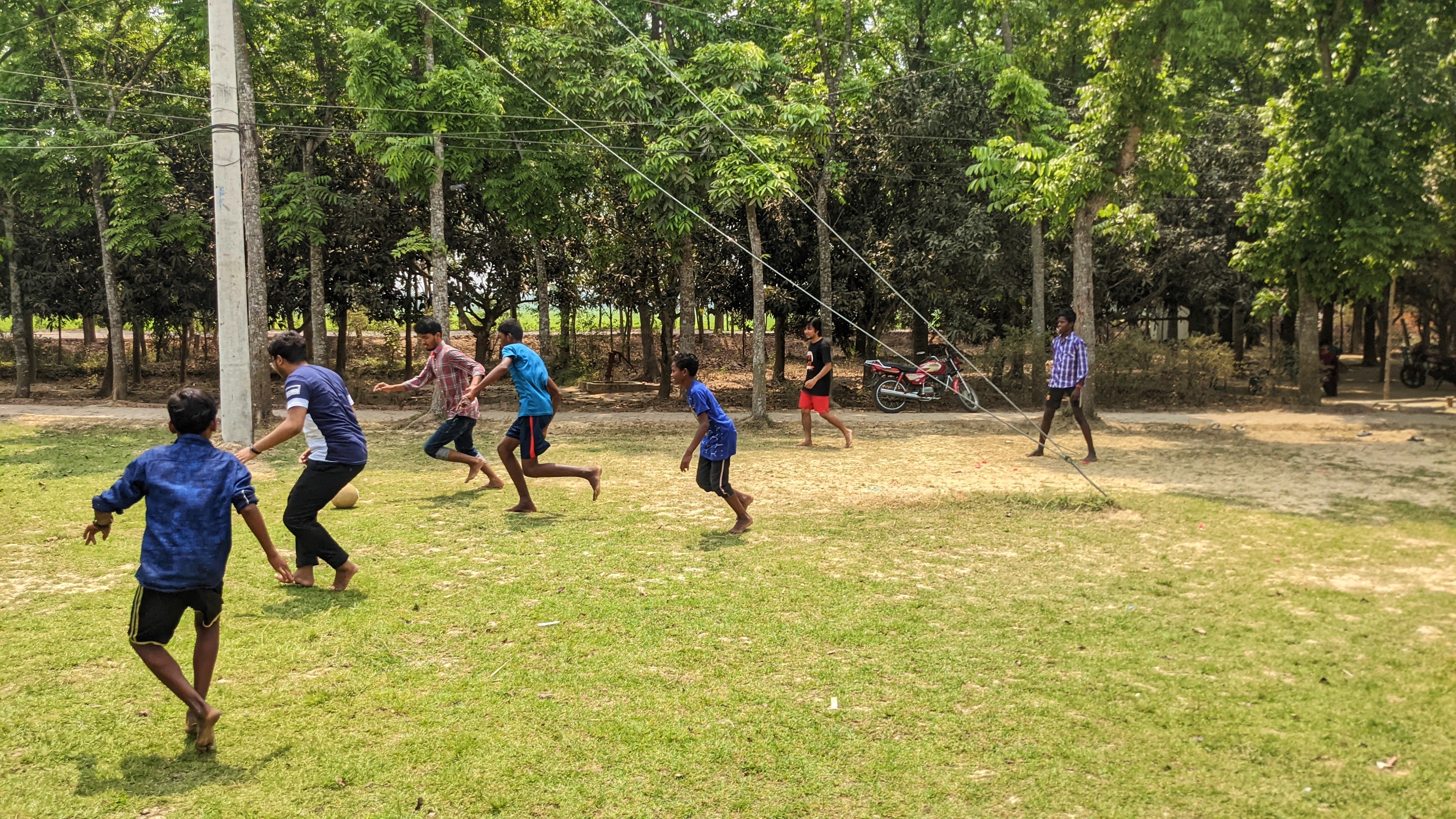
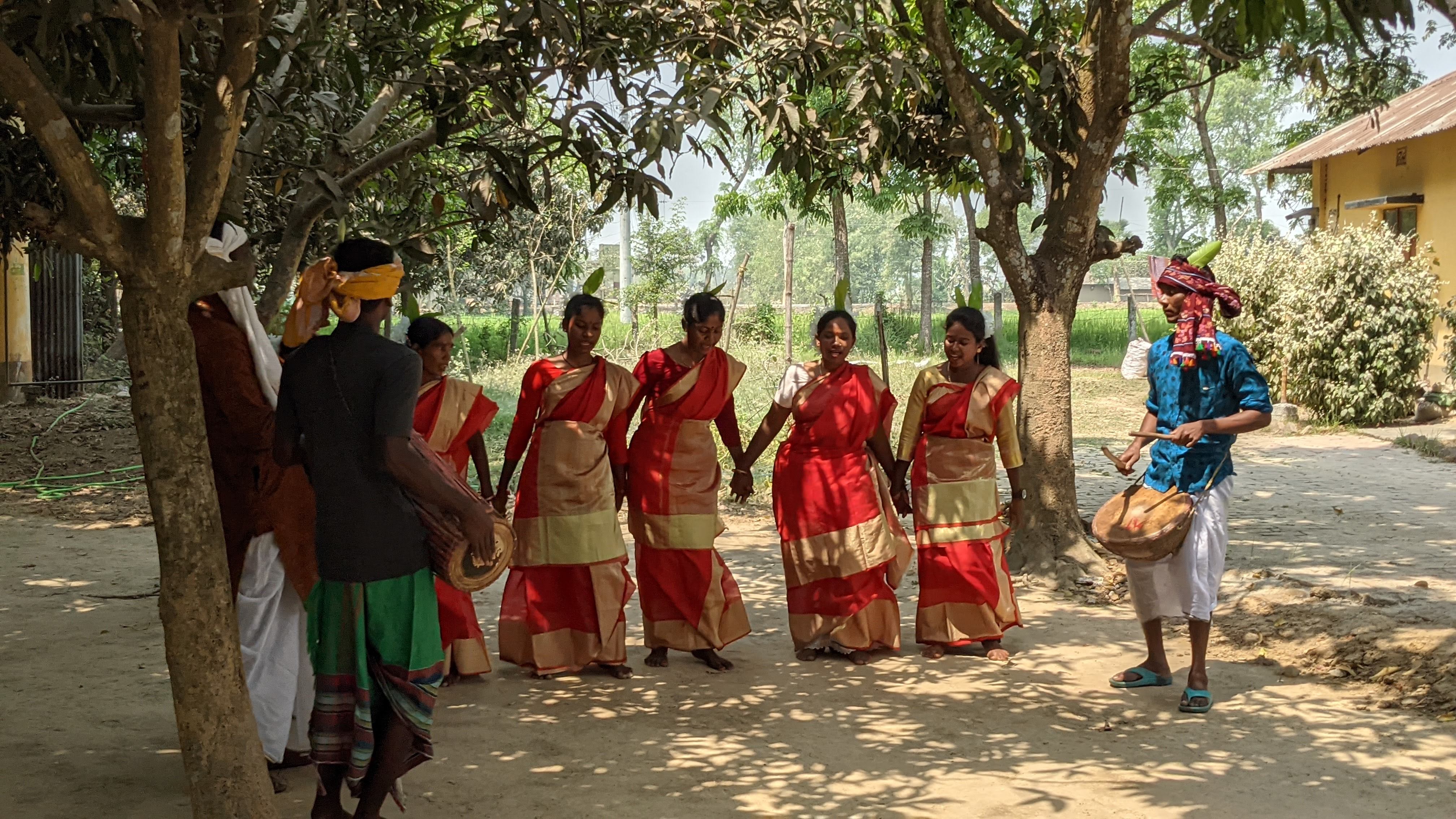
Moments from our research and community work across rural Bangladesh.
For inquiries, collaboration, or to learn more about our projects, we would be glad to hear from you.